-

20+Years of Experience
-

Tele-videoConsultation Facility
-
20+ Years of Experience
-

25K+ Highly Satisfied Patients
-

99% Patient Care Satisfaction
-

State of the Art GERD Hospital
When is an Endoscopy Performed?
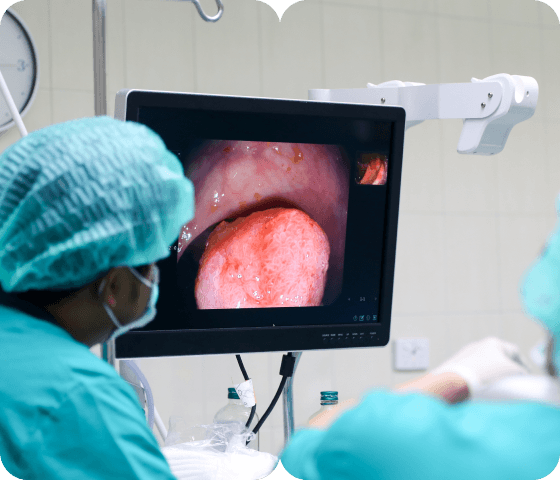
Endoscopy can be used to investigate or to perform some kind of surgery. It is also done to take out small pieces of tissue for further analysis, called a biopsy.
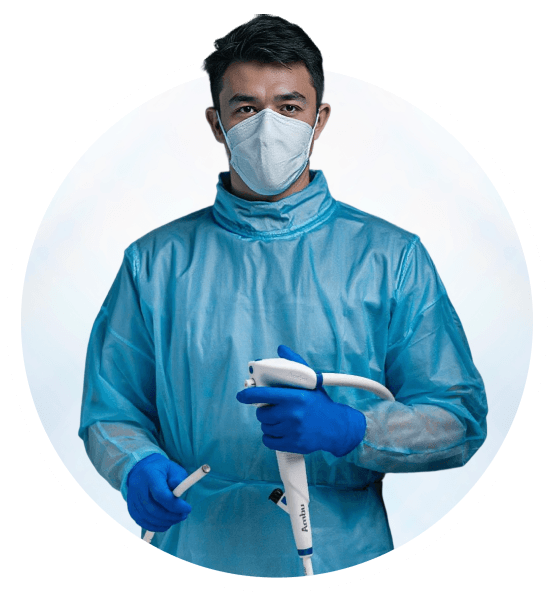
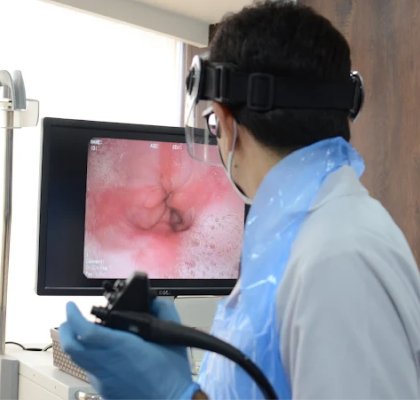
Typically, an endoscopy is performed when doctors require a closer examination of patients’ digestive passage for symptoms like long-term acidity/heartburn, chest pain that is not due to a heart problem, nausea, bloody vomiting, swallowing difficulty, weight loss without an obvious reason, diarrhoea, long-term abdominal pain, etc. It allows doctors to visually inspect the inside of the digestive passage using an endoscope- a flexible tube with a camera and light. The camera sends video to the monitor. A doctor can see that on the monitor and ensure an accurate diagnosis and timely treatment.
ADROIT Speciality Hospital provides the best facility for upper GI endoscopy in Ahmedabad. The hospital is well-equipped with the latest technology and staffed by skilled specialists.
How To Prepare a Patient For an Endoscopy?
The patient will typically need to fast for at least 8 hours and refrain from drinking water for at least 4 hours. He/She should inform the doctor about any medications taken regularly before undergoing an endoscopy. This discussion ensures appropriate management of medicines, especially those that may need to be adjusted or temporarily discontinued before the procedure. If the patient is comfortable, it can be done without sedation, just by throat numbing using a topical anaesthetic spray.
Many times, patients need sedation for 10 – 20 minutes, and within 10 minutes after the procedure, the patient is fully awake. In that case, he/she is advised to rest for 1 hr after the procedure in hospital and not to drive after the procedure or to travel in the back seat on a two-wheeler. It is recommended that a responsible adult accompany him/her and be available to ensure they get home safely afterwards.
What Should Patients Know Before an Endoscopy?
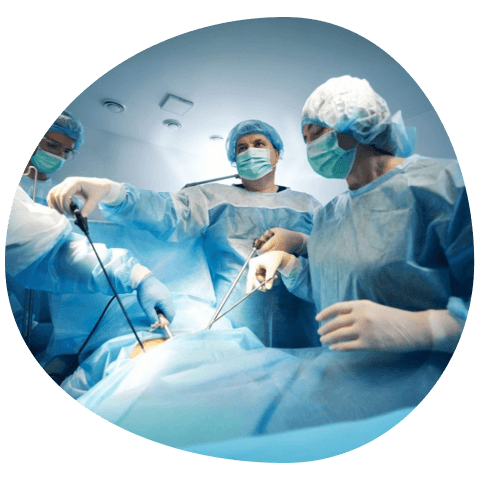
Before an upper GI endoscopy (EGD), patients should inform the doctor about any regular medications, allergies, or existing medical conditions. Certain medicines, especially blood thinners or diabetes medicines, may need to be adjusted as advised by the doctor before the procedure.
Patients should not eat for at least 8 hours and should avoid drinking water for at least 4 hours before the endoscopy. This helps keep the stomach empty and ensures a safe procedure with accurate results.
If sedation is given, patients should arrange for a family member or responsible adult to accompany them home, as driving is not recommended after the procedure. Following these simple instructions helps ensure a smooth and comfortable endoscopy experience.
Endoscopy Available at Adroit Speciality Hospital
At ADROIT, one of the best hospitals for endoscopy in Ahmedabad, we offer specialised endoscopy care to accurately diagnose and treat digestive conditions. Below is the endoscopy procedure you can expect at ADROIT Speciality Hospital, performed with advanced technology and an experienced team for safe, reliable results.
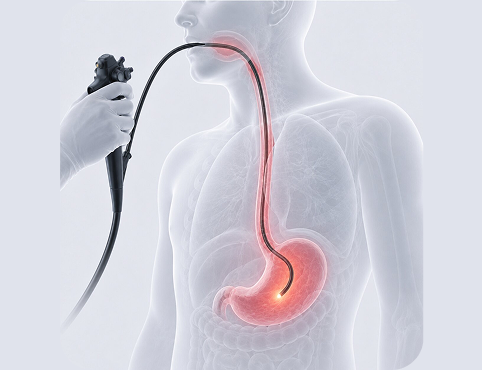
Upper GI Endoscopy
This procedure examines the esophagus, stomach, and upper part of the small intestine to detect ulcers, inflammation, or tumors. Ideal for diagnosing symptoms like heartburn, nausea, or abdominal pain.

25K+
Happy patients
Why Choose Adroit Speciality Hospital for Endoscopy Test in Ahmedabad
Adroit Speciality Hospital combines expert digestive care, advanced endoscopy technology and a patient-first approach for safe, accurate diagnosis.

Expert Medical Staff
A team of dedicated, well-trained gastroenterologists supported by professionally skilled paramedical staff, all focused on delivering patient-centred, high-quality care.

Surgical Excellence
Consistently striving for excellence in clinical practice while advancing the frontiers of gastrointestinal care.

Empathetic Approach
A “patient-first” approach rooted in empathy, ensuring clear communication about the disease and treatment options, while honouring patient choices and maintaining strict confidentiality.

Social Responsibilities
Delivering affordable, high-quality treatment to those in need, upholding our commitment to social responsibility.
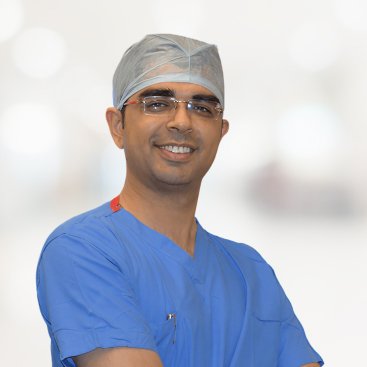
Dr. Chirag Thakkar
M.S., F.R.C.S. (Edinburgh, U.K), FARIS
Senior Consultant GI, Bariatric and Robotic Surgeon
Director - ADROIT Speciality Hospital, Bariatric|Digestive|Hernia surgery
Dr Chirag Thakkar specialises in Bariatric, Acid reflux, GERD, and Hernia surgery, both by Laparoscopic and Robotic methods. He is the founder director of ADROIT Speciality Hospital for Bariatric, hernia, and digestive surgery.
Have Questions or Need Assistance?
Our team is here to help. Reach out anytime for expert guidance and personalised support.
get in touch
Fill in the details below and our team will get back to you shortly!
What Our Patients Say
Hear from patients whose lives have been transformed through expert care at ADROIT Speciality Hospital.

Video Testimonial
Genuine experiences shared by those who’ve healed and thrived with us.
Frequently Asked Questions
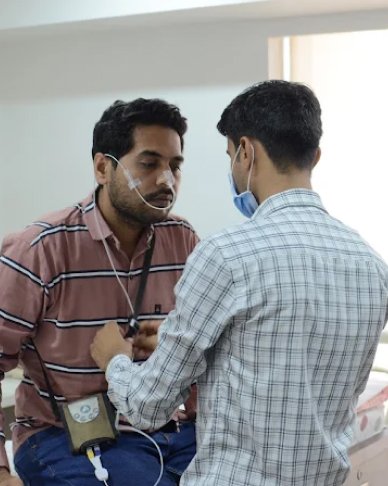
The patient is asked to remove any dentures, glasses, contact lenses, or jewellery for safety. For throat numbing, a topical anaesthetic spray may be applied to the throat to reduce discomfort. If sedation is planned, an intravenous (IV) line is inserted into a vein to administer sedatives or medications during the procedure. The patient is asked to lie on his left side on the procedure table with a mouth guard to protect the tongue, teeth and endoscope. The patient’s heart rate, blood pressure, respiratory rate, and oxygen levels are checked during the procedure. Once the throat is numbed and a sedative has relaxed the patient, the doctor starts to insert a tube into the mouth and throat and slowly pushes it down the oesophagus, stomach, and duodenum. Along with this, the doctor keenly observes video images sent to the monitor by a camera mounted on the endoscope. If necessary, he also takes a small piece of tissue for biopsy.
The patient may feel little discomfort when the endoscope goes inside, but it is not a painful procedure. Topical anaesthesia or sedation keeps the patient completely free from pain. Within 5-10 minutes, the patient is completely comfortable even when sedation is given.
If sedation is given, the patient will be taken to a recovery area to sit or lie quietly after the endoscopy. An upper GI endoscopy is typically an outpatient procedure, meaning patients go home the same day. The procedure may be uncomfortable, but it won’t be painful. At home, the patient may feel a little bloated and burp more often. Mild symptoms like throat soreness may occur. But all symptoms are temporary and may go away in 1 or 2 days.
Initial findings are discussed right after the procedure. Biopsy results may take 2 – 3 days.
Yes, with proper monitoring and precautions, endoscopy is safe for all age groups.