-

20+Years of Experience
-

Tele-videoConsultation Facility
-

20+ Years of Experience
-

25K+ Highly Satisfied Patients
-

99% Patient Care Satisfaction
-

Advanced Bariatric Care
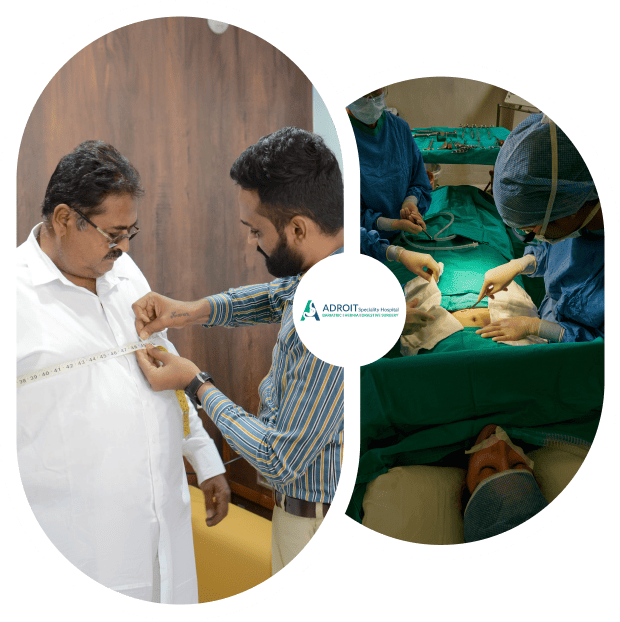
Come to ADROIT and Change Your Life Completely Forever
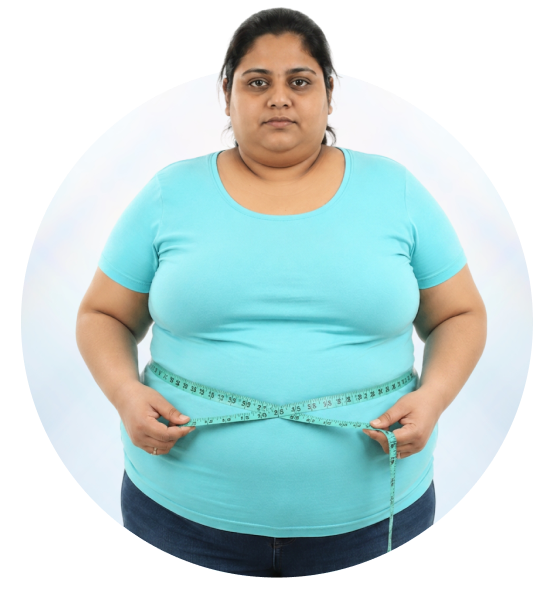
Bariatric surgery is a major surgery. But so is Morbid obesity, a major illness affecting all the organ systems of your body, and every aspect of your life. I don’t need to emphasize the problems of Obesity to you, as you must be feeling this to your core.
Yes, some friends or relatives may not know this or understand it.
We understand that the decision to go ahead with Bariatric surgery is a big one. And you might be a bit hesitant or reluctant or a bit afraid. The reluctance of your dear one would also be due to the fear of possible complications. But let me assure you that, with today’s medical facilities, infrastructure, and proper guidelines, bariatric surgery is absolutely a safe surgery. And once we pass the first one to two weeks of surgery, all the concerns of complications will be gone, and you will be on a journey that will change your life. Apart from the very obvious improvement in many medical conditions and your mobility, you will have multiple improvements in your life, which you probably are not even expecting or considering.
So for all patients affected by obesity, I would just say, contact us and change your life.
Types Of Weight Loss Procedures
At ADROIT Speciality Hospital, we offer four types of procedures for weight loss.
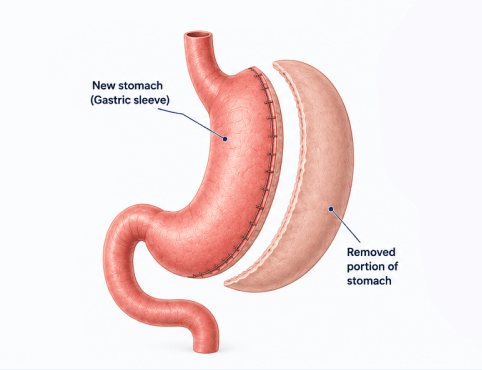
Sleeve Gastrectomy
Laparoscopic removal of part of the stomach to reduce appetite and promote weight loss.
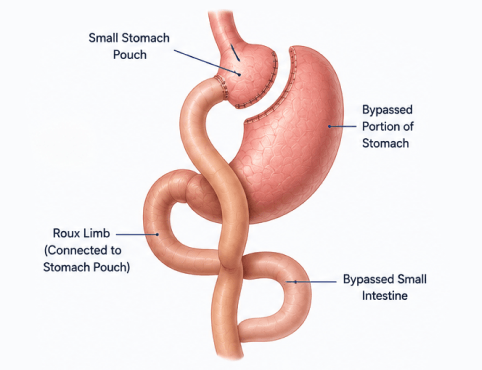
Roux-en-Y Gastric Bypass (RYGB)
Creates a small stomach pouch and bypasses part of the intestine to reduce hunger and improve metabolic health.
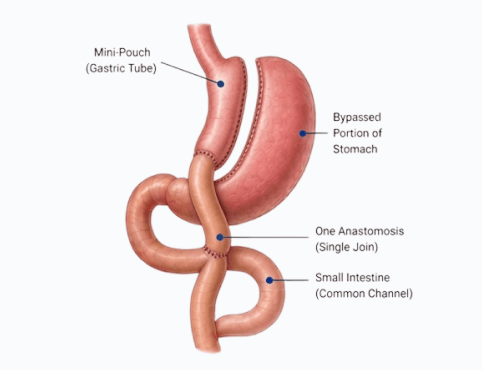
Mini Gastric Bypass (MGB/OAGB)
A simpler bypass procedure with a single connection that reduces food absorption and supports weight loss.
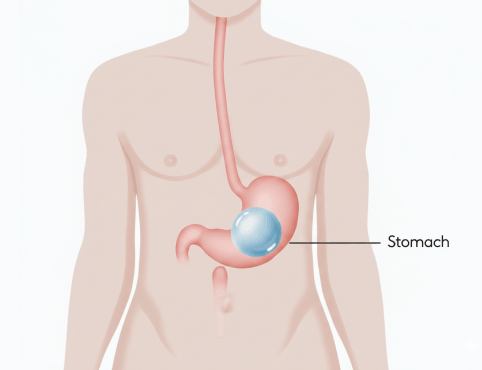
Gastric Balloon
An endoscopic balloon placed in the stomach to create fullness and reduce food intake.
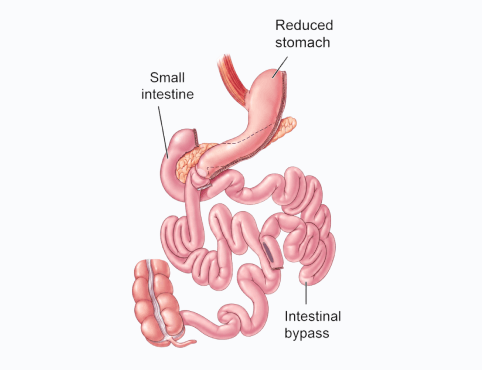
Sleeve Plus
Sleeve gastrectomy combined with intestinal bypass for enhanced weight loss and better diabetes control.
When to Avoid Weight-Loss Surgery
While bariatric and metabolic surgeries are highly effective, they are not suitable for everyone. Some patients may be advised against surgery due to certain health conditions, lifestyle factors, or personal considerations. Understanding these reasons ensures patients make the safest and most informed choice.
Reasons to Avoid Weight-Loss Surgery:
- Uncontrolled Medical Conditions – Such as severe heart or lung disease, where surgery may pose a high risk.
- Untreated Mental Health Issues – Conditions like severe depression or eating disorders should be managed first.
- Substance Abuse Problems – Active alcohol or drug dependency can interfere with recovery and outcomes.
- Pregnancy or Planning Pregnancy Soon – Surgery is generally delayed until after childbirth.
- Unwillingness to Commit to Lifestyle Changes – Success requires long-term adjustments in diet, exercise, and follow-up care.
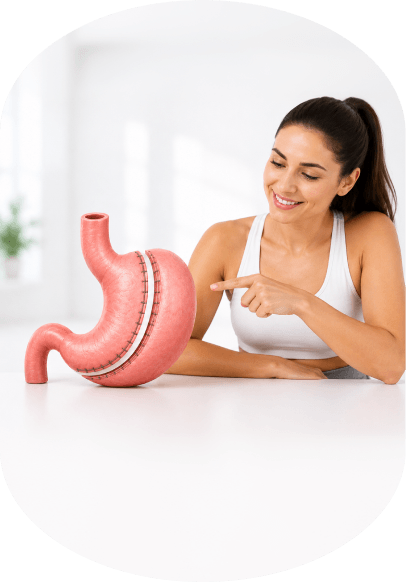
Benefits of Bariatric & Metabolic Surgery
- Sustainable Weight Loss: Achieves long-term weight reduction through hormonal changes, addressing chronic obesity-related health conditions.
- Improvement in Diabetes Type II: Improves insulin sensitivity, leading to complete remission or significant improvement in Type II diabetes.
- Cardiovascular Protection: Significantly reduces risks of hypertension, unhealthy cholesterol, heart attack, stroke, and heart failure.
- Sleep apnea & Liver Health: Resolves or improves obstructive sleep apnea and non-alcoholic fatty liver disease (NAFLD) through weight reduction.
- Enhanced Metabolism: Creates hormonal changes that reduce hunger and improve the body’s calorie-burning capacity.
- Improved Fertility: Significantly improves fertility in obese men and women by balancing reproductive hormones, improving ovulation, and regulating menstrual cycles, especially in PCOS, resulting in increased spontaneous conception.
- Better Mobility & Joint Health: Reduces joint stress, improving balance, mobility, and overall physical function.
- Urinary Health: Improves urinary incontinence by reducing pelvic floor pressure and hormonal effects on the bladder.
- Longer, Healthier Life: Reduces risks of cancer and other diseases, supporting longer and healthier life expectancy.
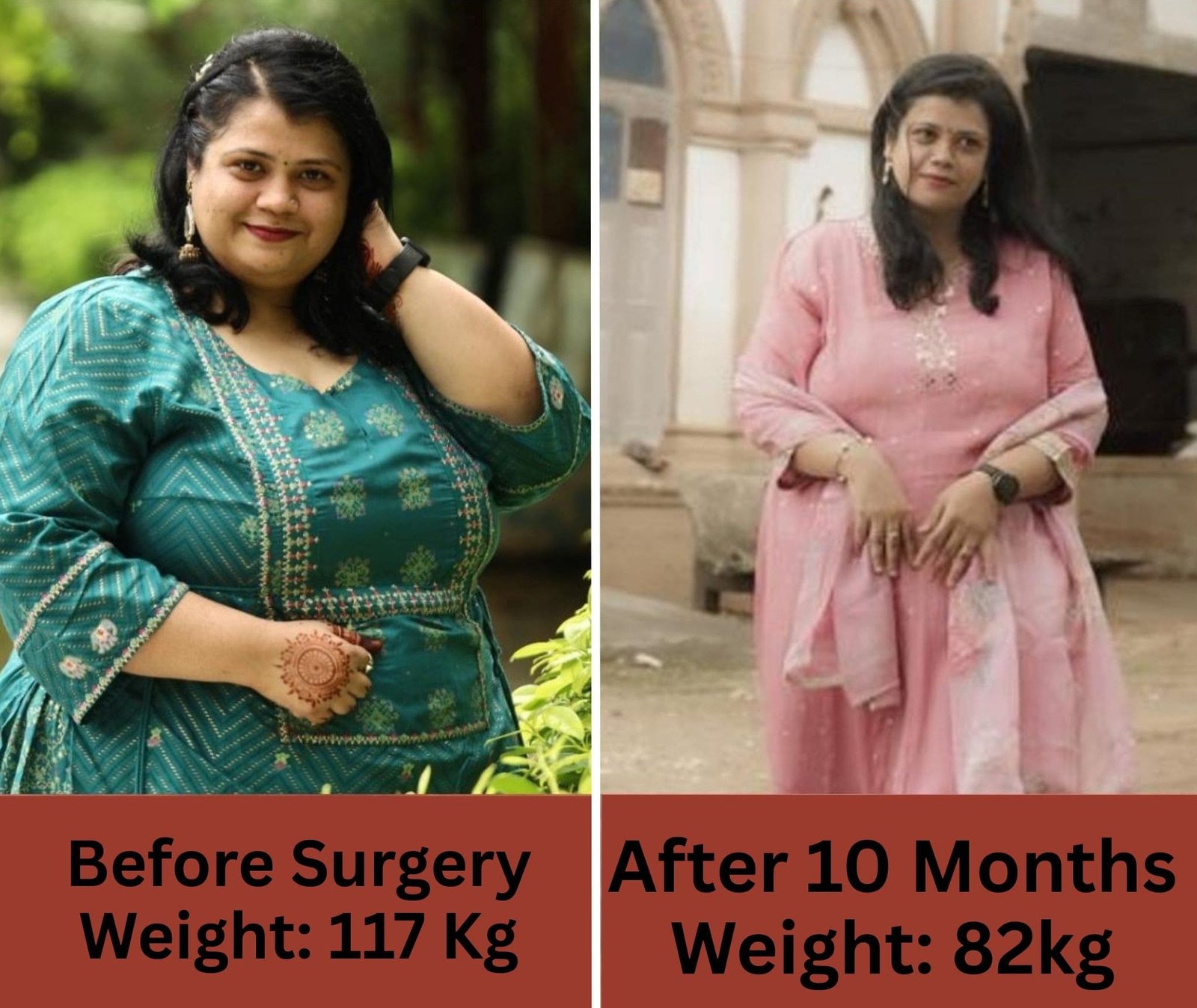
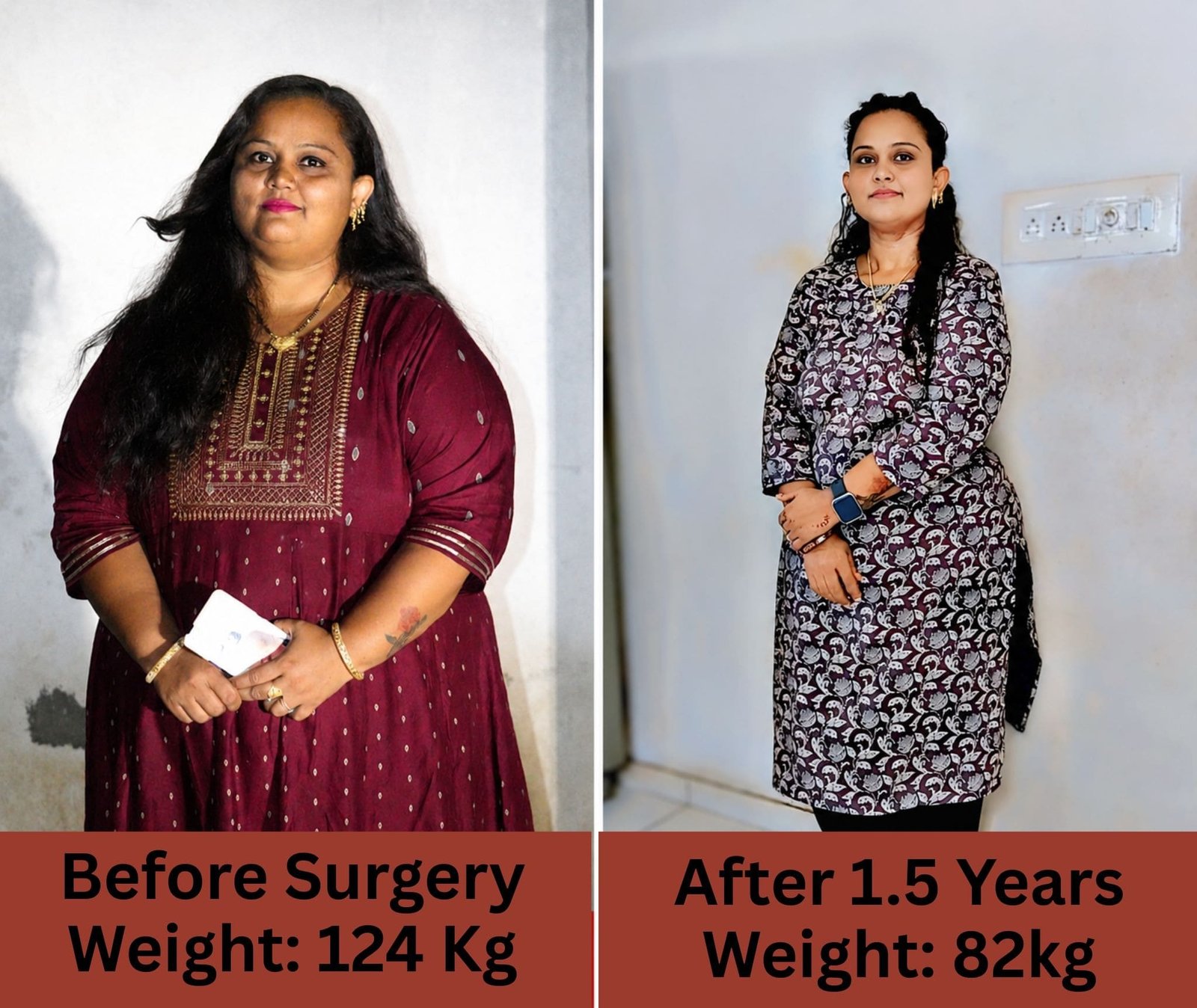
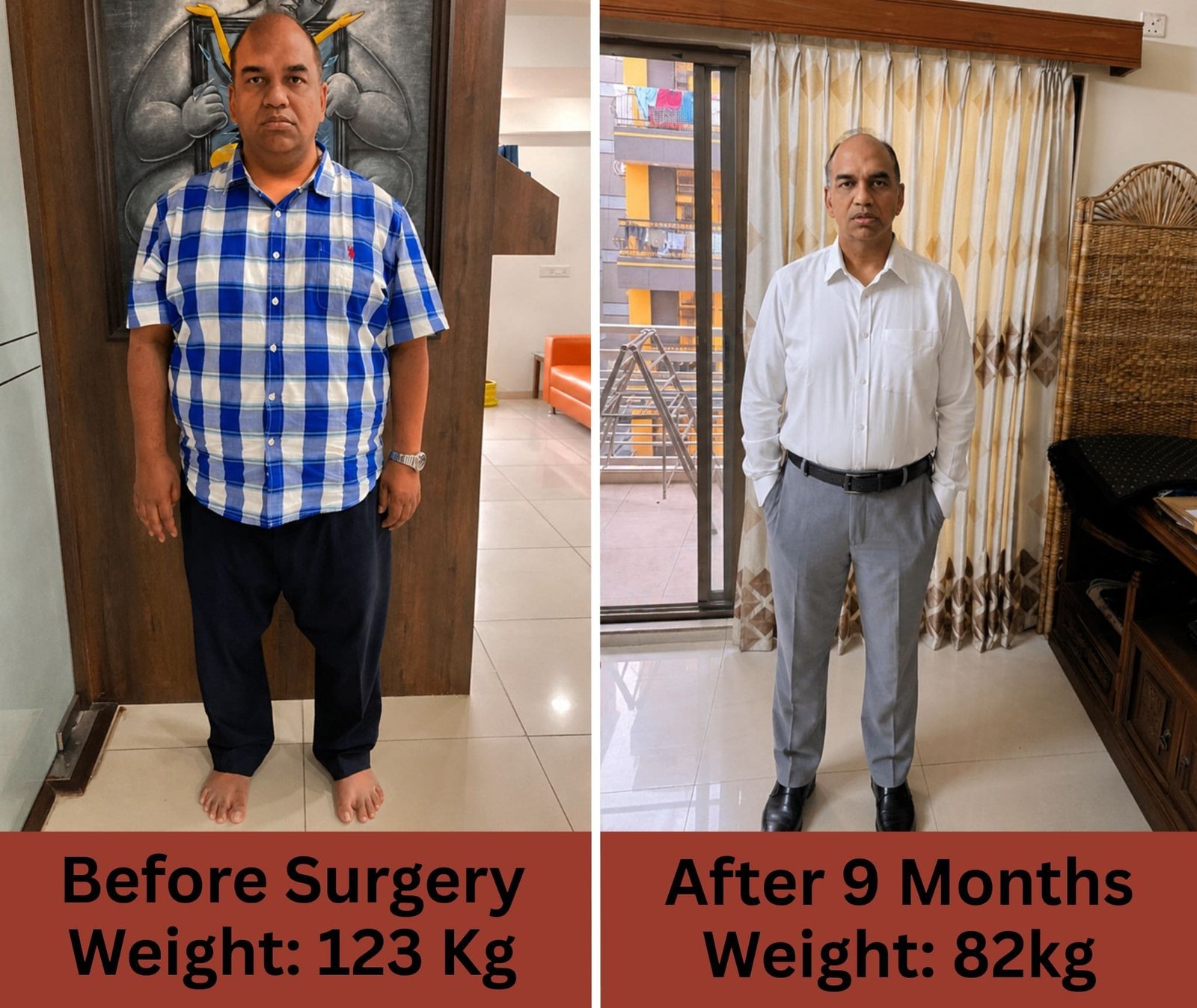
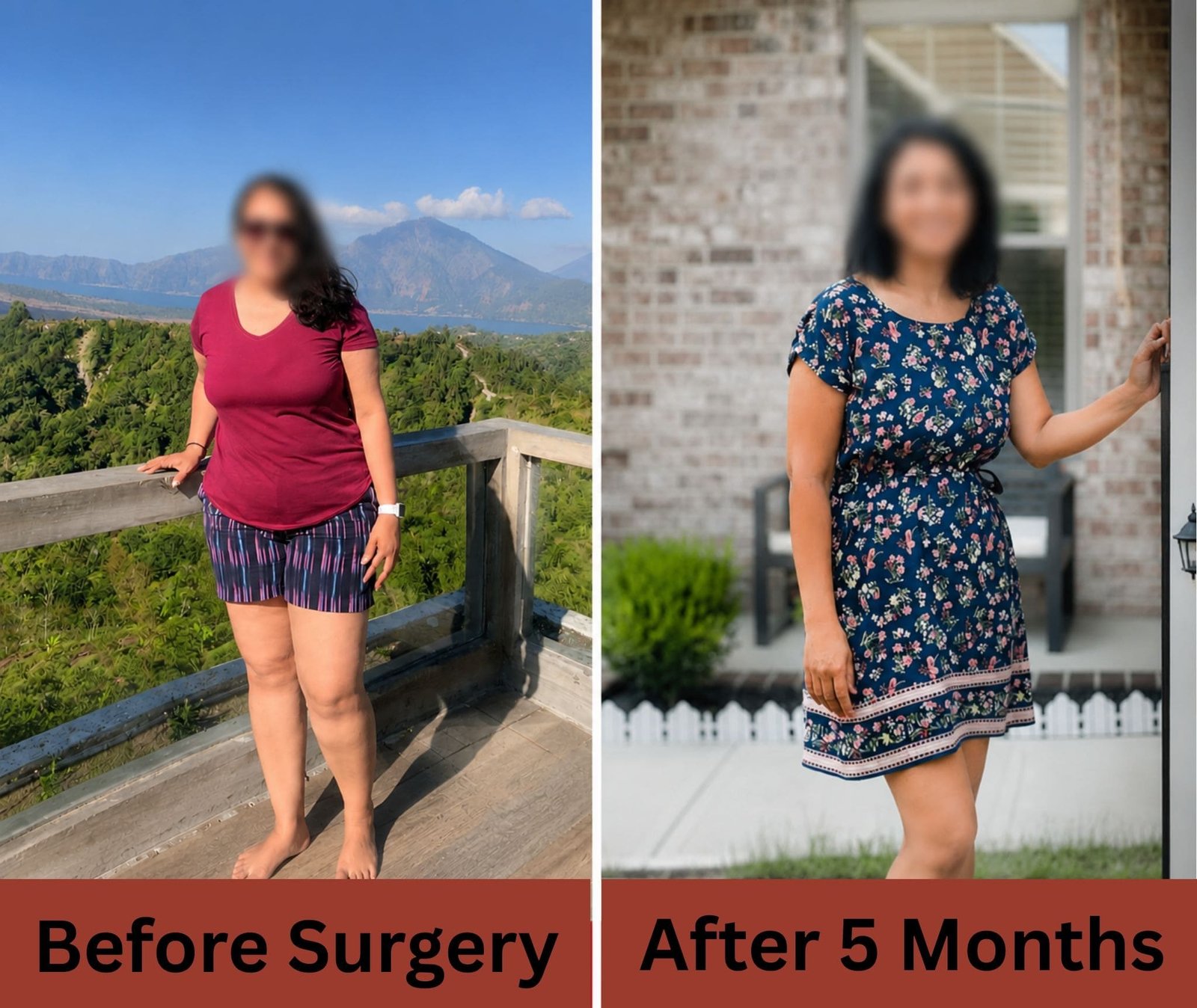
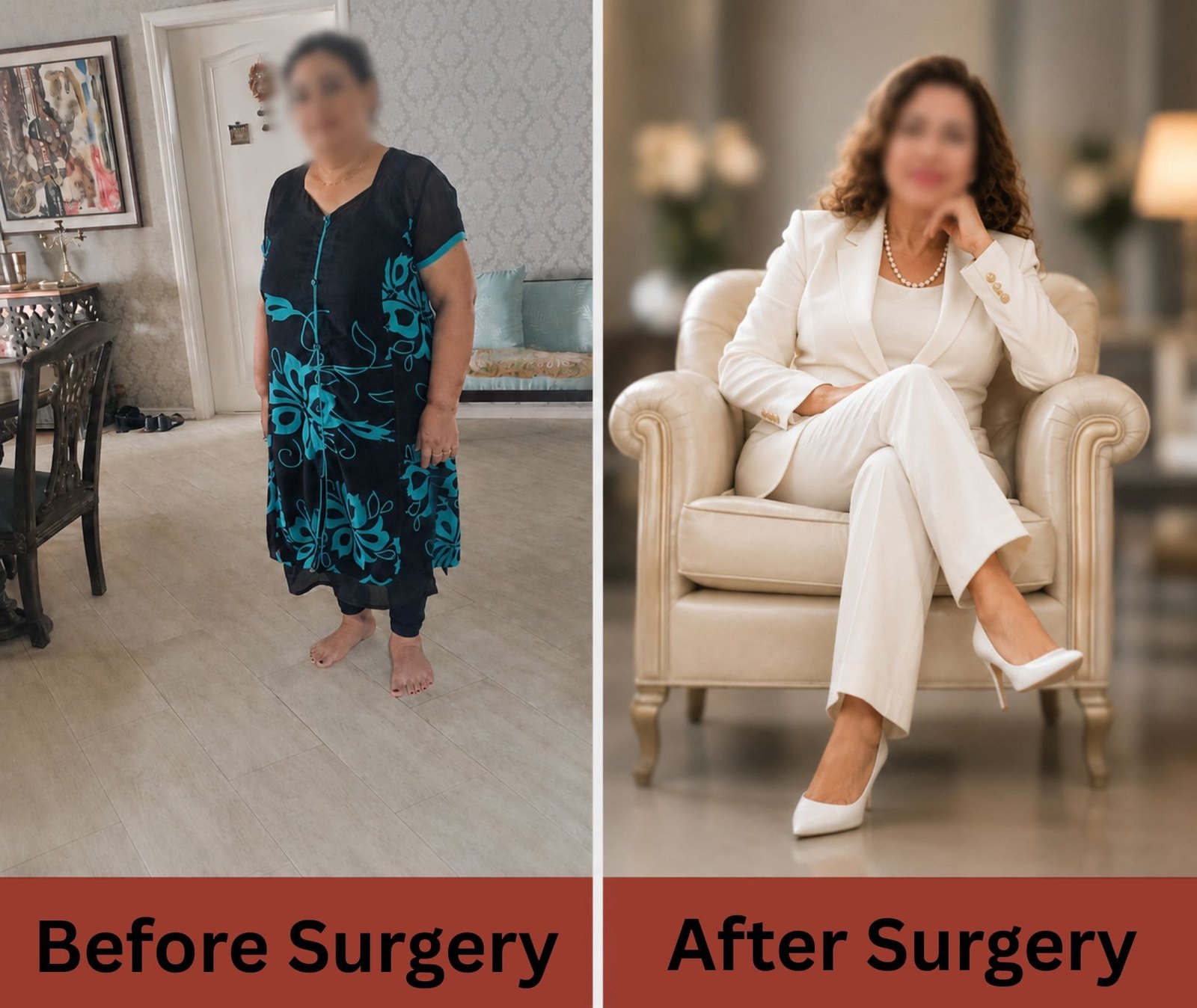
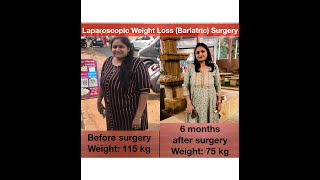
Our Happy Patients' Transformations After Bariatric Weight Loss Surgery
Before and after bariatric weight loss surgery, our patients have experienced remarkable physical and lifestyle transformations. These real patient results reflect the positive impact of expert surgical care, ongoing support, and a commitment to achieving better health and improved quality of life.
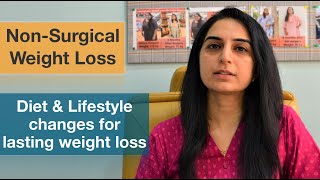
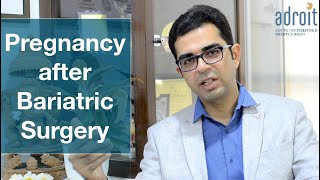
Bariatric & Metabolic Surgery Insights & Videos



25K+
Happy patients
Why Choose Us?

Experienced Team
20+ years of high-volume surgical experience with a coordinated team of specialists delivering excellent outcomes.
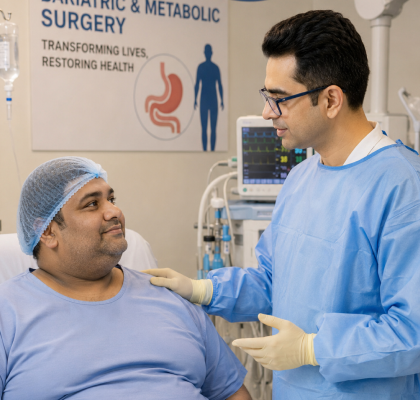
Comprehensive Teleconsultation Follow-up
Long-term teleconsultation for monitoring weight loss, nutrition, and overall health to ensure sustained results and avoid deficiencies.

Advanced Technology and Infrastructure
State-of-the-art laparoscopic equipment and modern operation theatre with regularly updated technology for safe and comfortable care.

Empathetic Approach
Patient-first care with clear communication, respect for choices, and strict confidentiality throughout treatment.

Dr. Chirag Thakkar
M.S., F.R.C.S. (Edinburgh, U.K), FARIS
Senior Consultant GI, Bariatric and Robotic Surgeon
Director - ADROIT Speciality Hospital, Bariatric|Digestive|Hernia surgery
Dr Chirag Thakkar specialises in Bariatric, Acid reflux, GERD, and Hernia surgery, both by Laparoscopic and Robotic methods. He is the founder director of ADROIT Speciality Hospital for Bariatric, hernia, and digestive surgery.
Have Questions or Need Assistance?
Our team is here to help. Reach out anytime for expert guidance and personalised support.
get in touch
Fill in the details below and our team will get back to you shortly!
What Our Patients Say
Hear from patients whose lives have been transformed through expert care at ADROIT Speciality Hospital.

Real Patient Experiences with Bariatric & Metabolic Surgery
Frequently Asked Questions
Pain after bariatric surgery is usually minimal and is well controlled with medications. Most of our patients can get out of bed and start walking within 3-4 hours after surgery. We routinely provide pain-relieving medications through IV on the day of surgery. However, most patients remain comfortable with only mild oral painkillers, which are usually started once oral intake begins and continued for about 3-4 days.
Walking is encouraged early to promote faster recovery. Initially, patients walk inside the hospital under supervision. After discharge, they can comfortably move around at home, manage daily activities, and gradually start taking short walks outdoors if comfortable.
Most patients are admitted on the morning of surgery and stay in the hospital for 2-3 days, depending on their overall medical condition. By discharge, most can care for themselves independently without assistance. There is usually minimal to no pain at discharge, with only mild oral painkillers needed. Most patients are able to climb stairs before discharge.
Within 7-10 days, many patients resume regular walking and office-based work. Some even return to work in 4 5 days, though recovery varies from person to person. We always advise patients to listen to their bodies and gradually increase activity at a comfortable pace.
After bariatric surgery, you will begin with a liquid diet from the day after surgery, which is then gradually advanced to a regular diet over the next 6–8 weeks. The first 2 weeks are dedicated to a liquid diet, followed by 2 weeks of pureed foods, then 2 weeks of soft foods, after which you can transition to your normal diet. It is important to understand that these stages refer to the consistency of the food. You can enjoy a wide variety of healthy, regular foods as long as they are prepared in the appropriate consistency, either to eat or drink. The amount of liquids and food is very small in the beginning and gradually increases over the following 6 months. At Adroit, we advise every patient to eat and drink slowly, chew food thoroughly, stop eating once you feel full, and eat again only when you feel hungry. By the end of 2 months, you will be eating regular foods, but in very small portions at a time. By the end of 6 months, you will be able to eat all normal foods in a reasonable quantity at each meal. Most of our patients are satisfied with the amount of food they can comfortably eat by 3-4 months after surgery.
Three important changes take place after bariatric surgery: mechanical, hormonal (metabolic), and behavioural. Physically, your stomach becomes much smaller after surgery, whether you undergo a Sleeve Gastrectomy or a Gastric Bypass. As a result, you will feel full after eating only a small amount of food. During the initial few weeks after surgery, if you try to eat more than your stomach can comfortably accommodate, you may experience discomfort or vomiting.
The stomach wall detects the pressure created by the food and sends signals to the brain, which helps you recognise when you are hungry and when you are full. After surgery, this mechanism allows you to feel satisfied with much smaller portions and reduces the urge to keep eating. If you feel hungry again after a few hours, you can comfortably have another healthy meal or snack. Metabolically, both Sleeve Gastrectomy and Gastric Bypass cause significant changes in gut hormones. These hormonal changes naturally reduce your hunger, help you feel full with smaller quantities of food, and decrease the cravings that many people experience before surgery.
They also help prevent feelings of weakness, tiredness, or lethargy, even when you are eating much less and losing weight rapidly. Finally, adapting to your new eating pattern after surgery gradually changes your behaviour towards food and hunger. Together, these mechanical, hormonal, and behavioural changes help you develop healthier eating habits while allowing you to remain comfortable, healthy, energetic, and active.
Yes, you can enjoy restaurant meals and meals at social gatherings after bariatric surgery. There is an initial adjustment period of adapting to your new eating habits, but once you adapt, dining out and social eating become much easier.
During the first few weeks after Gastric Sleeve or Gastric Bypass surgery, you will need to avoid certain foods and gradually progress through the recommended diet stages. However, with the right guidance and support from your doctor and nutritionist team, you can gradually return to enjoying normal social meals.
By around 3 months after surgery, most patients can eat much like anyone else, with the key difference being smaller portion sizes. At Adroit, we help our patients make healthier food choices so they can enjoy eating out and social occasions with friends and family while staying on track with their weight-loss journey.
In most cases, yes, patients are significantly happier one year after bariatric surgery. Many feel that choosing surgery was one of the best decisions they made and would recommend it to others struggling with obesity. Improved health, better mobility, increased confidence, and enhanced social and mental well-being all contribute to this long-term satisfaction. At Adroit, we believe patient satisfaction is one of the strongest measures of successful bariatric surgery.
The amount of weight you lose after bariatric surgery depends on several factors, including:
- Your pre-surgery weight, BMI, and excess weight (weight above your ideal body weight)
- The type of bariatric surgery you undergo and technical factors such as pouch size, sleeve size, or bypass length
- Your age
- How well you follow the recommended diet, lifestyle changes, and behaviour modifications after surgery
In general, most patients lose about 70-90% of their excess weight. This means you may not reach your exact ideal body weight, but you are likely to come very close. In reality, most patients are satisfied with this level of weight loss and do not wish to lose significantly more.
Another major advantage is that the weight loss achieved after bariatric surgery is generally much easier to maintain over the long term.
After a Gastric Sleeve or Gastric Bypass, maintaining a healthy lifestyle is essential for lifelong success. Eat nutritious, balanced meals in portions that are comfortable for your stomach. Stay physically active by walking for at least 30 minutes every day, and, if possible, include stretching or yoga in your routine.
Managing stress is equally important. Practising meditation or breathing exercises can help you stay calm and improve your overall well-being. Good-quality sleep should also be a priority. Regular long-term follow-up is necessary to monitor your weight loss, provide ongoing dietary guidance, and detect any nutritional deficiencies or complications early.
Follow-up visits are designed to help you maintain healthy lifestyle habits. At Adroit, we have a dedicated follow-up programme that supports and motivates our patients to achieve lasting lifestyle and dietary improvements, and we are delighted to see the positive long-term transformation in our patients.
Yes. After bariatric surgery, you will need to take vitamin and calcium supplements. If you undergo a Gastric Bypass, iron supplements are also routinely required. After a Gastric Sleeve, iron supplements are usually recommended only if your iron levels are low before surgery.
For the first 18 months after surgery, taking your prescribed vitamin and calcium supplements is essential. After this period, whether you need to continue supplements depends on your blood test results. However, you should have your vitamin levels, haemoglobin, and iron levels checked every 6 months to determine whether ongoing supplementation is necessary.
BMI Calculator
Your BMI is :