-

20+Years of Experience
-

Tele-videoConsultation Facility

-

20+ Years of Experience
-

Same/Next day discharge
-

99% Patient Care Satisfaction
-

Pain-free recovery
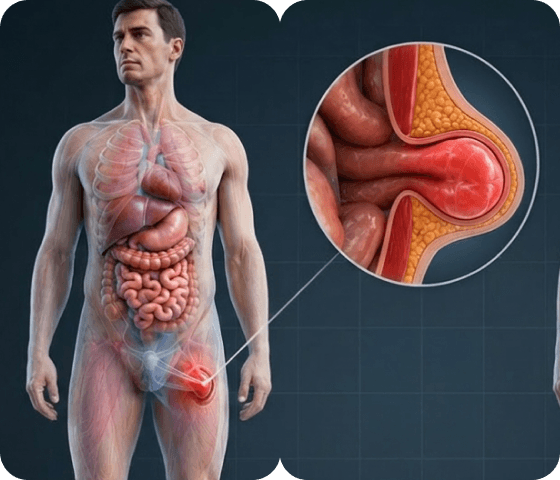
Don't Overlook the Warning Signs of a Hernia
Hernias often begin with a small lump or bulge in the abdomen or groin area, which may become more noticeable when you cough, bend, or lift something heavy. Some patients also experience discomfort, pressure, or a minor ache that worsens with physical activity. While early symptoms may seem mild, they are an important sign that the abdominal wall is weakened and requires medical attention.
A hernia will not heal on its own, and delaying treatment can increase the risk of the hernia becoming larger or more painful. In some cases, the tissue can become trapped (incarcerated) or lose its blood supply (strangulated), leading to a medical emergency that requires urgent surgery.
Seeking timely medical care not only prevents complications but also ensures a smoother, quicker recovery with advanced surgical options available today. If you notice a bulge or persistent discomfort in your abdomen or groin, make an appointment today.
Types of Surgery
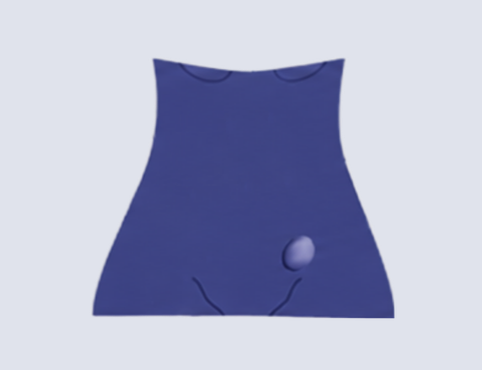
Inguinal Hernia
Occurs in the groin area
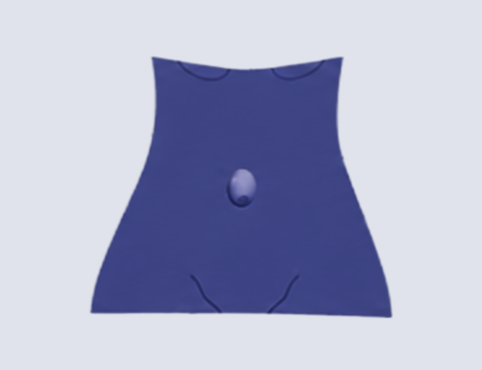
Umbilical Hernia
Develops near the navel
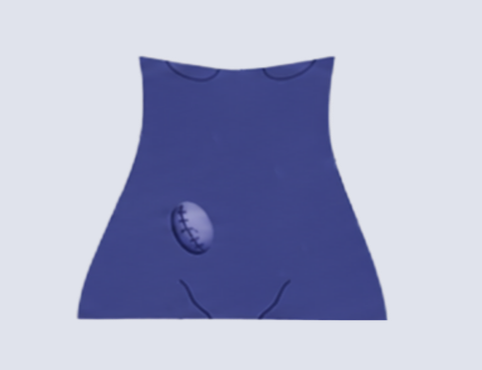
Incisional Hernia
Appears at the site of a previous surgical incision
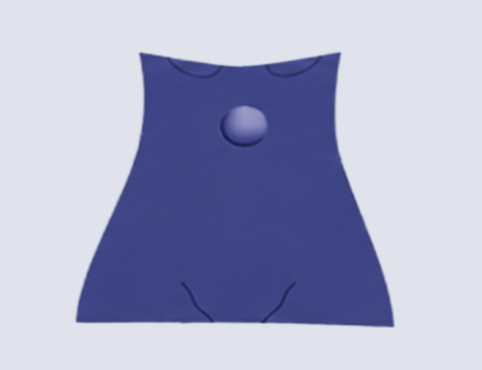
Epigastric Hernia
Forms between the breastbone and the navel
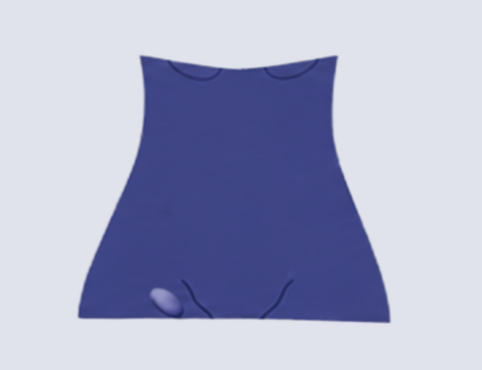
Femoral Hernia
Occurs just below the groin near the femoral canal
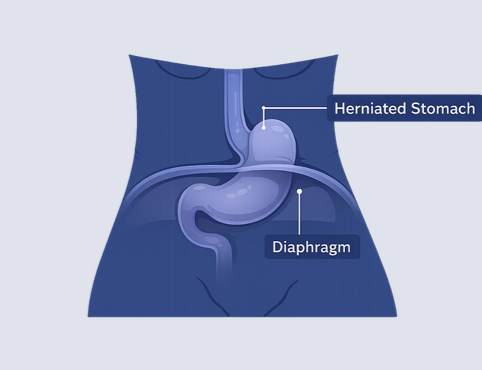
Hiatus Hernia
Stomach Pushing Through hiatus in the diaphragm
Types of Hernia Surgery
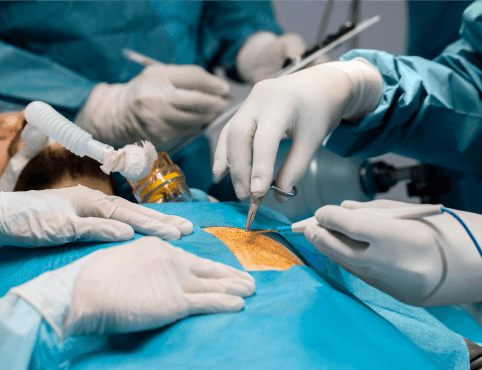
Open Hernia Surgery
Most of the hernias are operated on by the laparoscopic method only, except for very complex incisional hernia. For such a complex incisional hernia, open surgery is required.
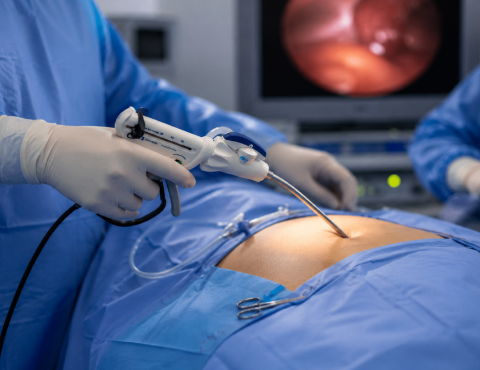
Laparoscopic Hernia Surgery
A minimally invasive procedure with less pain, faster recovery, and an earlier return to normal activities compared to open surgery, especially for young patients and bilateral hernias.
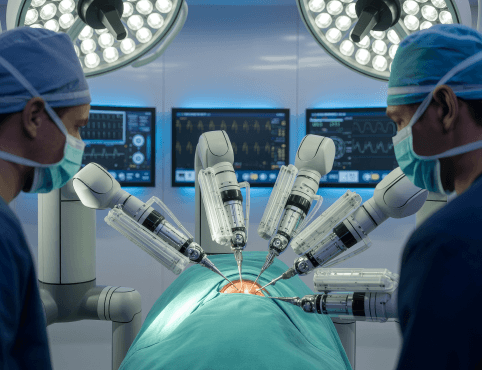
Robotic Hernia Surgery
Robotic hernia surgery gives superior precision, better ergonomics for the surgeon, and enhanced visualisation for better functional outcome.
Hernia Repair in Elderly Patients - Safe, Advanced Surgery at ADROIT
Hernia repair in elderly patients requires specialised care due to weaker muscles, slower healing, and existing health conditions. At ADROIT, advanced laparoscopic and robotic techniques are used to minimise pain and support faster recovery. In patients with heart or lung conditions, local anesthesia may be preferred. Pre-surgery optimisation with medications, breathing exercises, and tummy wall stretching procedures helps reduce complications and ensure smoother recovery. With personalised treatment strategies and expert post-operative care, Dr Chirag Thakkar and the ADROIT team deliver consistent results with an empathetic approach.
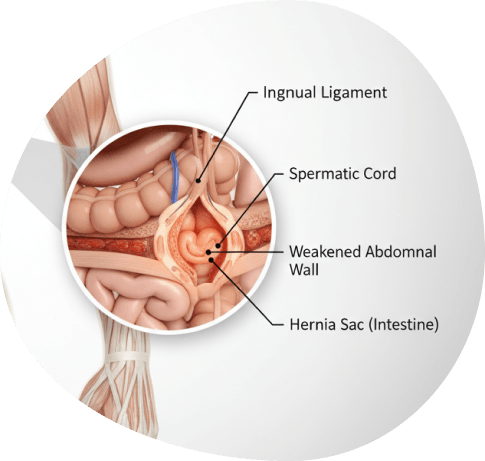
Benefits of Laparoscopic and Robotic Hernia Surgery
Our hospital specialises in laparoscopic hernia repair, an advanced minimally invasive procedure that offers several advantages over traditional open surgery. This modern treatment uses small incisions instead of large cuts, helping reduce post-surgical pain, recovery time, and visible scarring. Most patients recover within 2-3 hours and resume normal movement and food intake shortly after the procedure.
Advanced laparoscopic technology allows precise hernia mesh placement for inguinal, umbilical, and other abdominal wall hernias. Benefits of laparoscopic hernia surgery include minimal risk of infection, reduced painkiller requirement, shorter hospital stays, and faster recovery. Most patients are discharged within 24 hours and can return to daily activities, exercise, yoga, cycling, and marathon running after recovery.
With advanced laparoscopic equipment and specialised surgical expertise, patients experience less discomfort, minimal pain, and a faster return to normal life, making it a preferred choice for modern hernia treatment.
Robotic hernia surgery further improves patient outcomes due to more precision and finesse in doing the surgery. Its benefits are especially evident in large inguinoscrotal hernia, umbilical hernia, and incisional hernia, where surgeons have to struggle in certain steps of Laparoscopic surgery.
Hernia Surgery Treatment Insights & Videos
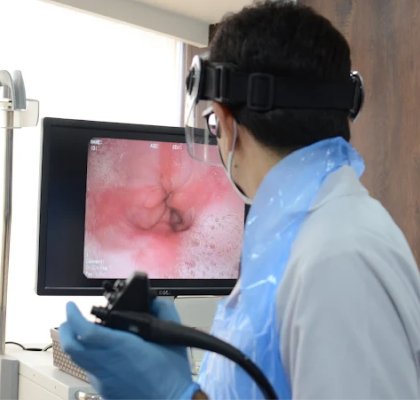

25K+
Happy patients
Why choose us for your Hernia Surgery?
Choosing the right hospital and surgeon for your hernia surgery is crucial, and at ADROIT Speciality Hospital, we make that decision easier. Renowned for our expertise, compassionate approach, and surgical excellence, we’re committed to delivering the most pain-free hernia surgery experience with fast recovery, leading you back to your routine.

Surgical Excellence
Advanced surgical techniques and modern hernia care focused on safe treatment and better recovery outcomes.

Empathetic Approach
A patient-first approach with clear communication, respect for patient choices, and strict confidentiality.

Expert Pain Management
The routine use of abdominal wall blocks (nerve block injections) during surgery gives pain-free recovery and minimal need for after-surgery painkillers

Advanced Technology and Infrastructure
State-of-the-art Laparoscopic and other OT equipment and Robotic systems give the best outcomes even in complex cases
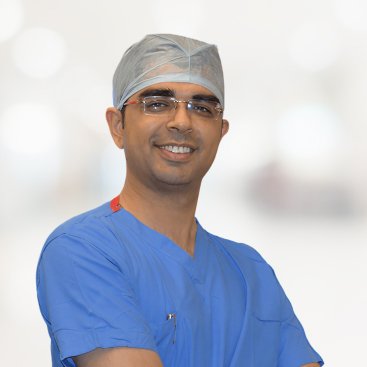
Dr. Chirag Thakkar
M.S., F.R.C.S. (Edinburgh, U.K), FARIS
Senior Consultant GI, Bariatric and Robotic Surgeon
Director - ADROIT Speciality Hospital, Bariatric|Digestive|Hernia surgery
Dr Chirag Thakkar specialises in Bariatric, Acid reflux, GERD, and Hernia surgery, both by Laparoscopic and Robotic methods. He is the founder director of ADROIT Speciality Hospital for Bariatric, hernia, and digestive surgery.
Have Questions or Need Assistance?
Our team is here to help. Reach out anytime for expert guidance and personalised support.
get in touch
Fill in the details below and our team will get back to you shortly!
What Our Patients Say
Hear from patients whose lives have been transformed through expert care at ADROIT Speciality Hospital.

Real Patient Experiences with Hernia Surgery Treatment


Frequently Asked Questions
No, not every hernia requires immediate surgery, but surgery is the only permanent treatment for a hernia. A hernia does not heal on its own, and medicines, exercises, or hernia belts cannot permanently cure it. If the hernia is small, painless,and not affecting daily life, your surgeon may advise watchful waiting with regular follow-up.
The answer depends on the type of hernia, its size, your symptoms, and your overall health. A hernia does not heal on its own and usually tends to gradually enlarge over time. Delaying surgery for a long may lead to:
- Increase in hernia size, making repair more complex
- More discomfort during walking, coughing, or physical activity
- Weakening of the surrounding abdominal muscles
- Higher chances of complications such as intestinal obstruction or strangulation
Although these serious complications are uncommon, they can occur suddenly and may require emergency surgery, which is generally riskier than planned elective surgery. In most patients, planned surgery at the right time offers safer treatment, smoother recovery, and better long-term outcomes than waiting until complications develop.
With significant advancements in minimally invasive surgery, including both laparoscopic and robotic techniques, most hernias today can be treated with greater precision and better outcomes compared to open surgery. These advanced approaches offer key benefits such as smaller incisions, less postoperative pain, faster recovery, and quicker return to daily activities. Even many large and complex hernias can now be effectively managed using advanced minimally invasive abdominal wall reconstruction (AWR). However, in selected cases involving very large or highly complex defects, open AWR remains the most suitable approach.
Yes, many hernia surgeries can be done as day care procedures, allowing patients to go home the same day without an overnight hospital stay, but not for all cases. Non-obese, medically fit, young patients below age 45, with uncomplicated hernias, are usually ideal candidates. With minimally invasive surgery (laparoscopic or robotic), recovery is often faster and more comfortable. In selected cases, even open inguinal hernia surgery under local anaesthesia may allow same-day discharge. Patient selection for daycare hernia surgery based on age, overall fitness, associated medical conditions, and the complexity of the hernia is very important.
Yes, open inguinal hernia surgery can often be performed without general anaesthesia. It may be done under local anaesthesia, where only the surgical area is numbed, or spinal anaesthesia, where an injection in the lower back temporarily numbs the lower half of the body.
In contrast, minimally invasive hernia surgery (laparoscopic or robotic) usually requires general anaesthesia.
Hernia surgery under local or spinal anaesthesia is especially beneficial for elderly patients or those with cardiac or lung conditions, where general anaesthesia may carry higher risk. In suitable patients.
The cost of laparoscopic hernia surgery would vary within a range, depending on the type of hernia, how large or complicated the hernia is, the facilities (infrastructure and the OT equipment) of the hospital, the type of mesh used and the type or accommodation/room selected. Laparoscopic Inguinal hernia surgery on a single side would cost somewhere between 75,000 and 125,000 Indian Rupees, and bilateral inguinal between 1,00,000 to 1,75,000 Indian Rupees. Laparoscopic Umbilical hernia surgery would cost somewhere between 95,000 and 1,50,000 Indian Rupees, and a laparoscopic Incisional hernia would cost somewhere between 1,25,000 and 2,00,000 Indian Rupees.
After minimally invasive hernia surgery (laparoscopic or robotic), most patients can get out of bed and walk within 3–4 hours after surgery. They can usually start a light diet on the same day. Most patients are discharged by the next day. Pain after surgery is generally mild to moderate and well controlled. In most cases, pain injections are not needed, and patients remain comfortable with oral painkillers once they start eating and drinking. Most patients need pain medication only for a few days. Recovery is usually quicker after inguinal and umbilical hernia surgery, while incisional hernia surgery may take a little longer to recover from because it often involves larger or more complex abdominal wall defects.
Most patients can return to desk or office work within a few days after minimally invasive hernia surgery. Heavy physical work and strenuous activities should be initiated after 3 months. Lightweight lifting (up to 5 kg) is usually allowed after 3 months, and heavier lifting can be increased gradually thereafter. Light jogging may begin after 1 month, while more intense exercise and sports can usually be resumed after 3 months. Sexual activity can be restarted gently whenever you feel comfortable.
Following laparoscopic hernia surgery, certain activity restrictions are important during the first few months to ensure proper healing and strengthen the repair site. This helps the surgical mesh integrate well with body tissues, promotes a smoother recovery, and reduces the risk of hernia recurrence.
- Treat cough or cold promptly to prevent excessive strain on the repair site.
- Prevent constipation by maintaining good hydration and a fiber-rich diet.
- Avoid bending forward frequently.
- Avoid yoga and other strenuous exercises for 3 months, or as advised by your surgeon.
- Avoid strenuous activities and lifting weights over 5 kg for the first 3 months after surgery.
- Gradually resume physical activity only as per your surgeon’s recommendations.
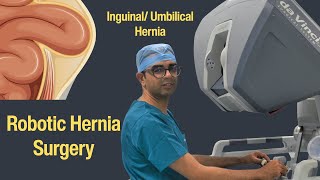
Robotic-assisted surgery is an advanced form of minimally invasive (keyhole) hernia surgery. Similar to laparoscopic surgery, it is performed through very small cuts, but the instruments are held by robotic arms instead of being directly handled by the surgeon. The robotic arms are fully controlled by the surgeon throughout the procedure.
The main advantage of the robot is its greater range of motion, improved flexibility, and enhanced precision. Robotic instruments closely mimic the movement of the human hand, allowing smoother and more precise movements inside the body.
Another important advantage is the minimal movement at the port site compared to laparoscopic surgery, which may help reduce postoperative pain and improve recovery.
Because of these advantages, many complex hernia surgeries that may be technically difficult with laparoscopic surgery, or may otherwise require conversion to open surgery, can often be completed using a keyhole approach with robotic assistance.
If cost is not a concern or robotic surgery is covered under your insurance policy, it can be a beneficial option to consider. However, if the additional cost of robotic surgery is a financial burden, a skilled and experienced laparoscopic surgeon can still achieve excellent outcomes without a robot.
The additional cost of a Robot in a hernia surgery is in the range of 1- 1.5 lakh Indian rupees, above the routine laparoscopic hernia surgery charges. These are the charges of the robotic instruments, which have a very short shelf life (meaning they can be used only for a fixed number of surgeries). The additional cost of robotic instruments will depend on how many instruments will be needed during the surgery and what instruments are chosen. So, depending on the type of hernia, hernia size, the complexity of the surgery, and your room category, Robot-assisted hernia surgery would cost in the range of 2.5 – 5 lacs Indian rupees at the current time.