-

20+Years of Experience
-

Tele-videoConsultation Facility

-

20+ Years of Experience
-

25K+ Highly Satisfied Patients
-

99% Patient Care Satisfaction
-

State of the Art GERD Hospital
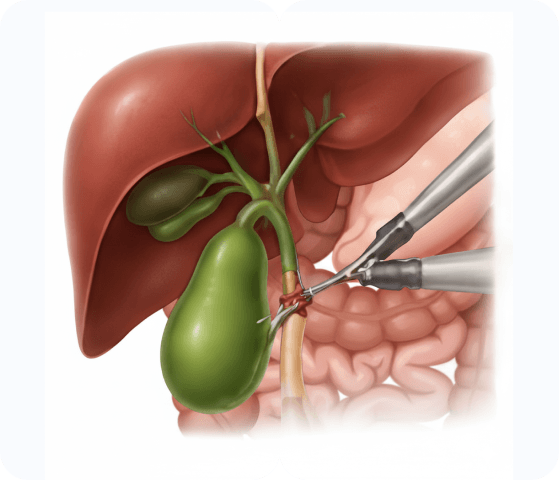
How Gallstones Develop: The Science Behind Gallstone Formation
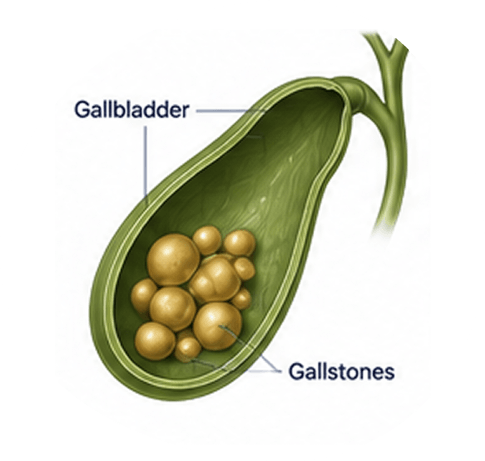
The gallbladder is a pouch-like organ located under the liver that stores bile, a digestive fluid produced by the liver. It contracts and releases bile into the duodenum when food enters the intestine. Bile contains cholesterol, bilirubin, and bile salts. An imbalance in these components leads to the formation of gallstones (cholelithiasis), which may vary in size from tiny sand-like particles to several centimetres. Gallstones form due to excess cholesterol or bilirubin in bile or poor emptying of the gallbladder.
Types Of Gallstones
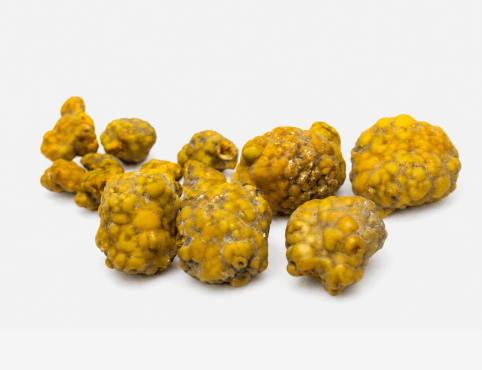
Cholesterol Stones
Most common type, made mainly of cholesterol. Often linked to obesity, rapid weight loss, or high estrogen levels.
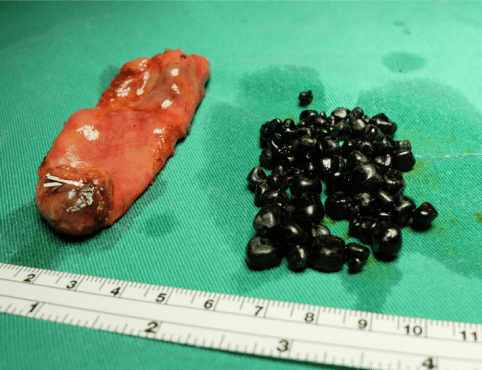
Pigment Stones
Small dark stones formed from bilirubin. Common in liver disease, bile duct infections, or blood disorders.
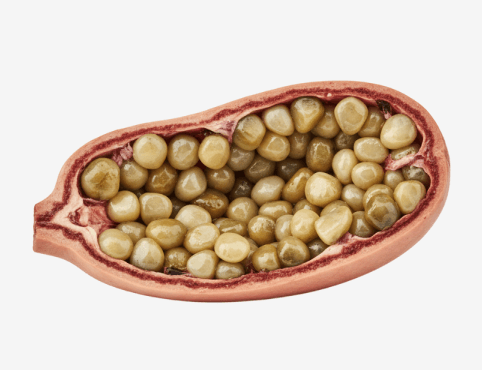
Mixed Stones
Combination of cholesterol and bilirubin. Less common compared to other types.
Risk Factors Triggering Gallstones
- Being a woman above the age of 40 increases the risk of gallstone formation.
- Obesity is a major risk factor due to high triglycerides and poor gallbladder emptying.
- Crash dieting with severe calorie restriction and rapid weight loss increases gallstone risk.
- A family history of gallstones also increases the likelihood of developing the condition.
- High estrogen levels in women due to pregnancy, birth control pills, or hormone replacement therapy can increase cholesterol levels and reduce gallbladder emptying, raising risk.
- Cirrhosis of the liver may increase cholesterol production, thereby increasing gallstone formation.
- Diabetes is also associated with a higher risk of developing gallstones.
- Certain blood disorders such as sickle cell anemia and leukemia increase the risk as well.
Symptoms, Indications & Diagnosis of Gallstones
Gallstones may remain silent in some patients, but when they become symptomatic, they can lead to complications that require medical evaluation.
Symptoms and When to Seek Medical Care
The most common symptom is sudden pain in the upper right or middle abdomen. This pain may last for minutes to hours and often radiates to the back or right shoulder blade. It is frequently triggered after a fatty meal and may be associated with nausea and vomiting. Recurrent or persistent pain should be evaluated by a doctor.
Fever or chills may suggest infection or inflammation of the gallbladder. Yellowing of the skin and eyes (jaundice) indicates possible bile duct blockage and requires urgent attention.
Diagnosis
Diagnosis begins with a clinical examination, where tenderness in the upper right abdomen may indicate gallbladder disease. Abdominal ultrasound is the primary and most reliable test for detecting gallstones.
Blood tests help identify infection, inflammation, or bile duct obstruction. In complex cases, advanced imaging such as CT scan, MRI (MRCP), or HIDA scan may be required. ERCP is used when stones are suspected in the bile duct and allows both diagnosis and treatment.
Gallstone Treatment, Surgery & Complications
Gallstone treatment depends on symptoms, stone size and location, diagnostic findings, and the patient’s overall health. Many people with gallstones may not require treatment, but when symptoms or complications occur, surgery is often recommended.
Gallstone Treatment and Surgery:
The most common treatment is cholecystectomy, which is the surgical removal of the gallbladder. It can be performed using different techniques:
- Laparoscopic Surgery: The most commonly performed method using small incisions, offering less pain, faster recovery, and minimal scarring.
- Open Surgery: Used only in rare or complicated cases where laparoscopic surgery is not suitable.
- Robotic Surgery: An advanced minimally invasive approach that provides higher precision, reduced pain, faster recovery, and excellent surgical outcomes.
Gallstone Complications:
Gallstones can lead to several complications if not treated in time:
- Gallstone Colic: Severe cramp-like pain caused when a stone blocks the gallbladder outlet or cystic duct.
- Cholecystitis: Inflammation of the gallbladder due to blockage of the cystic duct.
- Gallstone Pancreatitis: Occurs when stones block the pancreatic duct, leading to inflammation of the pancreas.
- Cholangitis: A serious infection caused by blockage of the common bile duct, requiring urgent treatment.
- Gallstone Ileus: A rare but surgical emergency where gallstones cause intestinal blockage.
Gallbladder Stones Surgery Insights & Videos

25K+
Happy patients
Why Choose Us?
Choosing the right care for your digestive and obesity-related health is essential, and at Adroit Centre, we make that decision easier. Renowned for our expertise, compassionate approach, and advanced surgical solutions, we’re committed to delivering the highest quality care tailored to your needs.

Expert Medical Staff
A team of dedicated, well-trained gastroenterologists supported by professionally skilled paramedical staff, all focused on delivering patient-centred, high-quality care.

Surgical Excellence
Consistently striving for excellence in clinical practice while advancing the frontiers of gastrointestinal care.

Empathetic Approach
A “patient-first” approach rooted in empathy, ensuring clear communication about the disease and treatment options, while honouring patient choices and maintaining strict confidentiality.

Social Responsibilities
Delivering affordable, high-quality treatment to those in need, upholding our commitment to social responsibility.

Dr. Chirag Thakkar
M.S., F.R.C.S. (Edinburgh, U.K), FARIS
Senior Consultant GI, Bariatric and Robotic Surgeon
Director - ADROIT Speciality Hospital, Bariatric|Digestive|Hernia surgery
Dr Chirag Thakkar specialises in Bariatric, Acid reflux, GERD, and Hernia surgery, both by Laparoscopic and Robotic methods. He is the founder director of ADROIT Speciality Hospital for Bariatric, hernia, and digestive surgery.

Have Questions or Need Assistance?
Our team is here to help. Reach out anytime for expert guidance and personalised support.
get in touch
Fill in the details below and our team will get back to you shortly!
What Our Patients Say
Hear from patients whose lives have been transformed through expert care at ADROIT Speciality Hospital.

Real Patient Experiences with Gallbladder Stones Surgery
Frequently Asked Questions
Yes, surgery to remove the gallbladder along with the stones is the only definitive treatment for gallbladder stones. However, surgery is not always immediately necessary. If you do not have pain, digestive symptoms, or any complications related to gallbladder stones, you may never require surgery. There is no other treatment that can permanently remove gallbladder stones. To prevent future complications and avoid the need for emergency surgery, elective gallbladder surgery is the most effective and appropriate treatment when indicated.
Gallbladder stone surgery is recommended for anyone who has experienced pain in the right upper abdomen, ongoing indigestion related to gallbladder stones, or complications such as jaundice or pancreatitis caused by gallstones.
Surgery helps prevent serious complications, including bile duct blockage leading to jaundice, acute pancreatitis, acute cholecystitis (infection or inflammation of the gallbladder), gallbladder perforation, and even gallbladder cancer. Some of these conditions can be life-threatening. Elective gallbladder surgery is much safer and easier than treating these complications or performing emergency surgery.
Patients with recurrent pain, diabetes, or a previous gallstone-related complication are at a higher risk of developing further problems and should consider surgery at the earliest.
Consulting an experienced gallbladder specialist in Ahmedabad can help you understand the risks of delaying surgery versus the benefits of planned laparoscopic gallbladder surgery. Dr Chirag Thakkar provides a detailed evaluation and personalised treatment plan, helping you make an informed decision.
No, gallbladder removal does not cause indigestion. Once gallbladder stones start causing symptoms, the gallbladder is as such not functioning normally. Removing this non-functioning gallbladder does not worsen digestion.
Many people who experience digestive symptoms after gallbladder surgery already have underlying digestive conditions such as GERD, acidity, constipation, or IBS, which are often unrelated to gallbladder removal and wrongly correlated with the removal of the gallbladder.
These conditions can usually be treated successfully with the right diagnosis and appropriate medical treatment once it is recognised that they are not caused by gallbladder surgery.
Technically, it is possible to perform surgery to remove only the gallbladder stones while preserving the gallbladder. However, no surgeon today recommends or performs this procedure, even if it is requested by a patient. The reason is simple: the real problem is not the stones themselves but the diseased, non-functioning gallbladder.
If only the stones are removed, new gallstones are very likely to form again within a short time. In the past (almost 50 years back), attempts were made to dissolve gallstones by injecting stone-dissolving chemicals into the gallbladder, but almost 50% of patients developed stones again. It is now well established that the best treatment is to remove both the gallbladder and the stones.
Today, this is usually performed as a minimally invasive procedure(keyhole), such as laparoscopic or robotic gallbladder surgery.
There are no permanent dietary restrictions after gallbladder surgery. During the initial recovery period after gallbladder stone surgery, you should avoid fatty, fried, and spicy foods. When eating oily or fried foods, consume them in small portions and not too frequently.
These are healthy dietary habits that everyone should ideally follow to maintain good overall health. Once you have recovered, you can eat all foods in moderation.
Yes, laparoscopic gallbladder stone surgery can be performed as a daycare procedure, allowing selected patients to return home on the same day. However, careful patient selection is essential to ensure safety for a daycare procedure.
Daycare gallbladder surgery is generally suitable for young, non-obese patients below 45 years of age who have no significant medical conditions. The surgery is usually scheduled early in the morning so there is adequate time for recovery and observation before the patient is discharged home the same day.
Like any operation, laparoscopic gallbladder stone surgery carries certain risks related to both the surgery and anaesthesia. These risks are generally higher in older adults and in patients with heart, lung, kidney, or liver diseases. That is why a thorough pre-operative evaluation is performed, and if any such medical conditions are present, appropriate precautions are taken before, during, and after surgery.
One specific complication of gallbladder surgery is injury to the bile duct. The risk is slightly higher in patients with complicated gallbladder stones, long-standing gallstones, or multiple previous episodes of gallbladder attacks.
For this reason, it is advisable to undergo surgery at the right time, before complications develop, and at a centre with expertise in gallbladder surgery. The overall risk of these complications is less than 0.5%, and even if they occur, they can usually be managed successfully with timely treatment.
The cost of laparoscopic Gallbladder stone surgery would vary within a range, depending on whether surgery is emergency and complicated due to cholecystitis, other medical comorbidities of the patient (like Cardiac, kidney or liver diseases), facilities (infrastructure and the OT equipment) of the hospital, type of consumables used, and the type of accommodation/room selected.
Laparoscopic cholecystectomy (Gallbladder removal) surgery would cost somewhere between 65000 to 120000 Indian Rupees if uncomplicated and between 80000 to 150000 Indian Rupees in a complicated situation
Recovery after laparoscopic gallbladder surgery is usually quick and comfortable. Most patients are out of bed and walking within 3–4 hours after surgery and are allowed to start a light diet on the same day. Most patients are discharged the following day.
After surgery, most patients do not require pain injections and remain comfortable with oral painkillers. Pain usually settles within a few days. At the time of discharge, most patients are able to walk comfortably, climb stairs, and perform their routine self-care activities independently.
Most patients can return to office-based work within a few days after laparoscopic gallbladder surgery. Most women can also resume routine household activities within a few days.
More strenuous work, exercise, and sports can usually be restarted gradually after 7-10 days, depending on your comfort level. In general, there are no long-term activity restrictions after laparoscopic gallbladder stone surgery.